Meet your ISR Instructor!

"Not One More Child Drowns."

Mom, Registered Nurse, and ISR Instructor helping children learn life saving water skills.
ISR Swim with Krista-Central CT

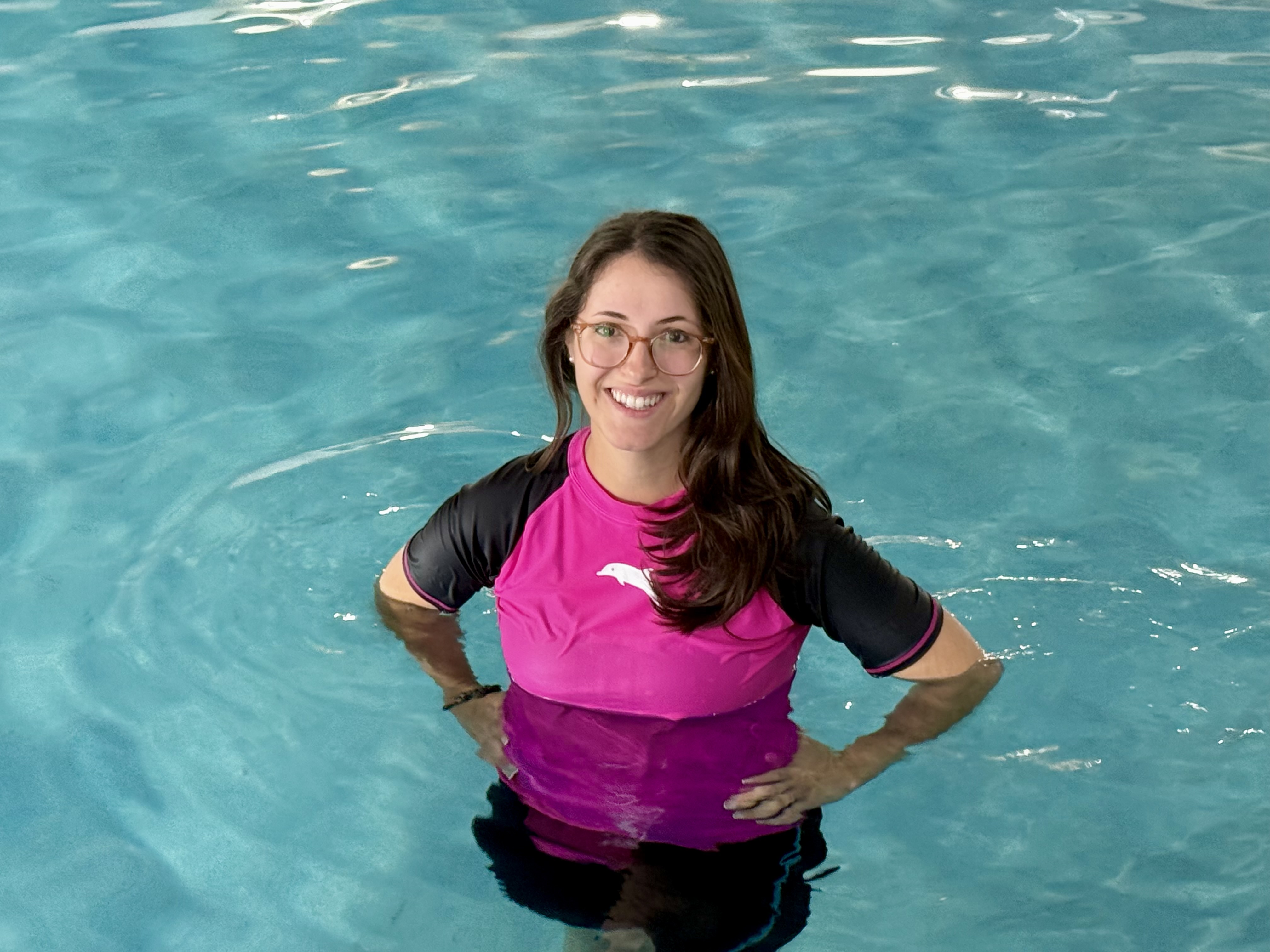
Hi! I’m Krista, a Connecticut native, wife, and mom to two little boys. My husband and I are both healthcare workers. I am a Registered Nurse with a background in pediatrics and women’s health/fertility care.

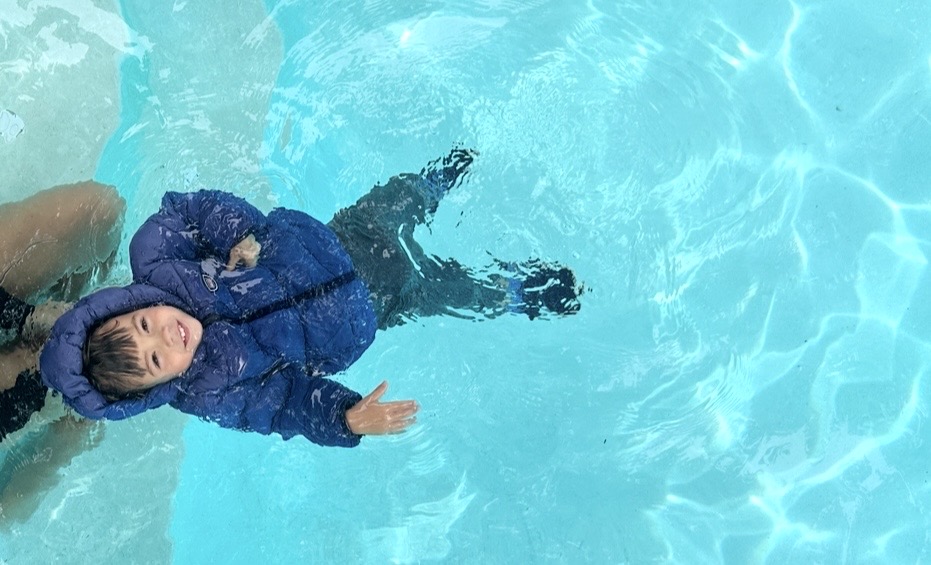
After becoming a mom, I stepped away from nursing to stay home with my first son, but I missed working with children and helping families. When searching for an ISR instructor in Central Connecticut for my son, I was surprised to find there wasn’t one nearby. We moved to New Mexico for a short time in 2023. While living there, my son completed ISR lessons at 2.5 years old. Watching him learn these life-saving self-rescue skills gave our family such incredible peace of mind.

I immediately fell in love with everything ISR stands for. Inspired by our amazing instructor, Jade, I completed my ISR Instructor training in Boca Raton, Florida in 2025 while pregnant with my second son, with the goal of bringing these lifesaving skills back home to Connecticut.

While I may no longer work in a hospital setting, I truly believe the skills I teach can save lives. If I can help protect even one child, it is all worth it. I feel incredibly grateful to do work I genuinely love while making a difference for families in my community.

I can’t wait to meet you and your family and help your child gain the confidence and skills that could one day save their life, thank you!!

"Not One More Child Drowns."
Krista Rasmussen, RN, Certified ISR Instructor
Swim Instructor Image
FAQs
My child is over 6 years old, can you still teach them?
Yes! ISR is specifically geared for children 6 months to 6 years old, however, children older than that can be successfully taught as well. Older children may not take as long to be skilled, or they could take the full 6 weeks. Plan on speaking with your instructor to determine skill level and expectations.
How are ISR lessons different than traditional swim lessons?
Great question! ISR has been researched and developed for 60+ years. It’s nationally recognized as the safest swim program for infants and children. Your children will learn life saving skills that traditional lessons do not provide. 1. ISR lessons are 1:1 and individualized for your child's needs. Compared to group lessons with other students where lessons are not personalized. 2. Your child will learn to Self Rescue-how to hold their breath, swim with their face in the water, and roll to their backs to float and breathe. Many parents start ISR after spending hundreds of dollars on traditional “swim” programs frustrated because their child doesn’t have any discernible skills after weeks, months, or even years of lessons. 3. Students come 5 days a week for 10 minutes a day. They learn a little bit each day, so progress is made in weeks, not months. You do not need to enroll your children into swim lessons summer after summer, year after year. Once they learn these skills, they have them forever. With maintenance and refresher lessons, they will retain their skills indefinitely. 4. Every ISR instructor undergoes 6-8 weeks of intense training. Hands on, in the pool with an ISR Master Instructor and students, learning the ISR method. We are in the pool 5x per week for several hours a day, for a minimum of 60 hours with ACTUAL students. In addition, we receive extensive hours of academic training in anatomy, physiology, child psychology, behavior and development, sensorimotor learning, and how each relates to the aquatic environment. ISR instructors are fully insured, trained in CPR and renew credentials every year.
How do you teach babies and young children how to hold their breath? What about Dry Drowning?
Breath holding skills are taught beginning with the first lesson! We shape breath control using highly effective positive reinforcement techniques. We continue to reinforce these breath-holding techniques throughout every lesson. Breath holding allows your child to conserve air while swimming. We do not teach or encourage children to blow bubbles. Blowing bubbles may seem fun, but it teaches children to release the air they need to swim. in a real emergency, that air is what keeps them alive. Dry drowning is an outdated term that terrifies many parents but is not a recognized medical term. It has been sensationalized by the media and sensationalized in tv/film. Drowning does not happen days after being in water and it is also not something to be concerned about in ISR lessons given the level of training of the instructor as well as numerous safety protocols employed to ensure safe lessons for all students. There are 3 types of drowning: fatal, non-fatal, and non-fatal with injury. If any person has a drowning event they should be seen by a medical professional immediately for monitoring and necessary care to avoid further complications and/or injury. Some reputable sources where you can read more about the subject: uofmichigan, Dispelling ‘Dry Drowning’ and Other Swimming Safety Myths https://bit.ly/3Co81Fz unitypointhealth Dispelling Myths about Dry Drowning https://bit.ly/3Akvffd clevelandclinic ‘Dry Drowning’: Separating Fact From Fiction https://cle.clinic/3hH0oSG ameracadpeds, Prevention of Drowning, May 2019, 143 (5) e20190850; DOI: https://doi.org/10.1542/peds.2019-0850 Kid Nurse ‘Your Kids Aren’t Dry Drowning (Because It’s Not Real)’ https://bit.ly/3IH8VBu
How can I keep my child safe in and around the water?
1. If you or another guardian are not in the pool, then your child should not be either. ALWAYS be arms length away. Have your child ask for your permission before they can get into the water. 2. Dress children in brightly colored swim wear, so they are easy to see. 3. Lock back doors, use a pool alarm, install and close pool covers and fence doors. 4. Don't leave pool toys in the pool or on the pool deck. 5. Assign a water watcher to watch the children in the pool/body of water. 6. Life jackets should only be used on a boat. Make Children, who are ISR skilled, float and swim every time you get in the water. 7. Say no to floaties (puddle jumpers, water wings, floats with leg holes, etc)! They teach children to be in a vertical position in the water, and cause dependency and a false sense of security. 8. Don't swim on a full stomach. 9. Once your child is fully skilled in ISR, we will go over more safety information and how to play with your child in the water so they can keep their Self-Rescue skills, without interference.

Ready to Get Started?

Discover more about our programs and how we can help you.